


Did you know that cryptocurrency theft reached $3.8 billion in 2022? Hackers are increasingly targeting digital wallet vulnerabilities. It’s more important than ever for Indian crypto investors to understand the difference between hot and cold wallets. This knowledge is key to protecting their digital assets.
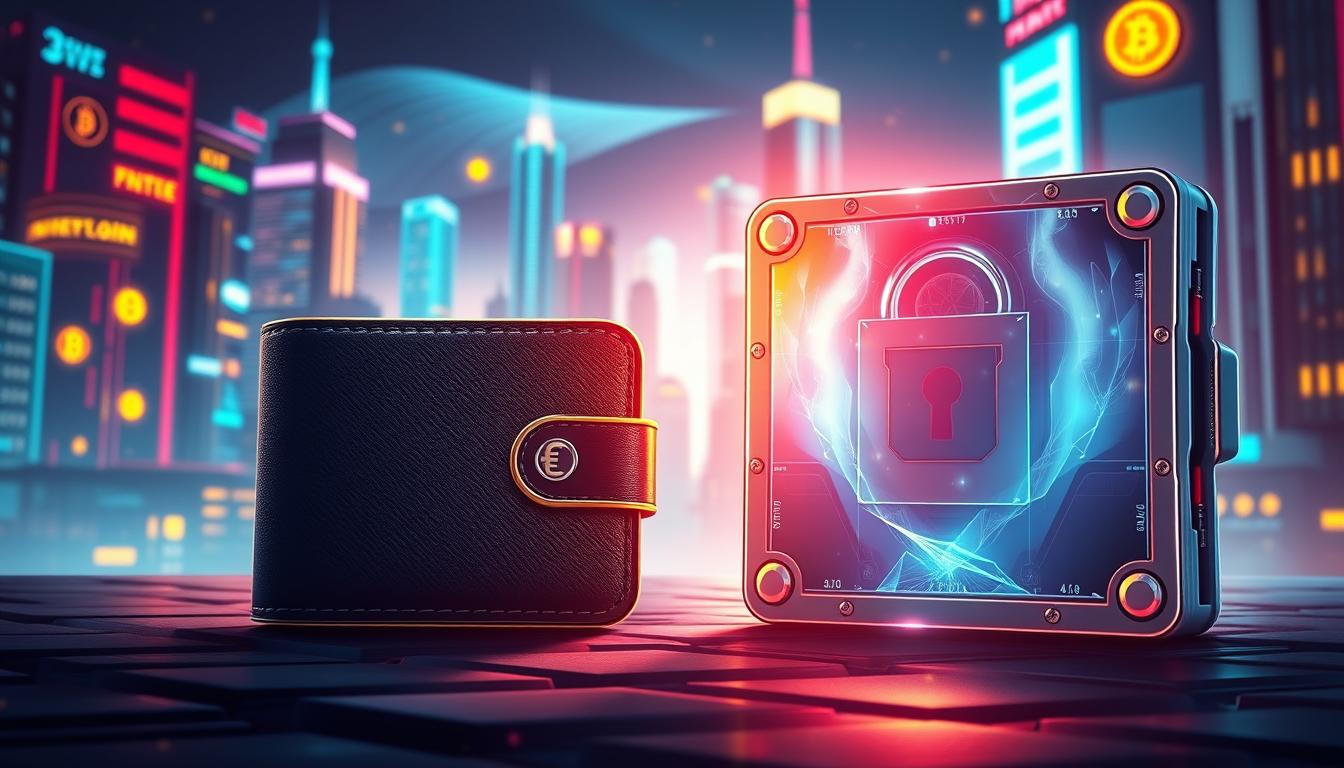
Cryptocurrency security comparison highlights two main storage methods: hot and cold wallets. Hot wallets are always connected to the internet, making them convenient for quick trading and transactions. Cold wallets, on the other hand, stay offline, offering better protection against cyber threats.
Your choice of wallet significantly affects the safety of your digital investments. Each storage method has its own benefits and risks. Whether you’re an experienced trader or new to cryptocurrency, knowing these differences is crucial. It can help secure your financial future.
Key Takeaways
- Hot wallets provide convenient online access
- Cold wallets offer superior security against digital threats
- Cryptocurrency investments require strategic wallet selection
- Understanding wallet types minimizes potential financial risks
- Regular security updates are essential for wallet protection
Understanding Cryptocurrency Wallet Basics
Cryptocurrency wallets are digital tools for storing, sending, and receiving digital assets securely. They serve as your personal digital bank account, with advanced security features unlike traditional banking systems.

Digital asset storage methods have seen significant advancements, offering various ways to safeguard valuable cryptocurrencies. Your wallet’s main role is to manage your digital assets and protect your private key.
What Makes a Wallet “Hot” or “Cold”
Cryptocurrency wallets fall into two main categories:
- Hot Wallets: Always connected to the internet, enabling fast transactions
- Cold Wallets: Offline storage, offering higher security
The Role of Private Keys in Wallet Security
Private keys are vital in managing cryptocurrencies. They serve as a digital signature, proving ownership and facilitating secure transactions. Keeping your private key safe is essential for protecting your digital assets.
Basic Components of Crypto Wallets
Every cryptocurrency wallet includes key components:
- Public Address: Where you receive cryptocurrencies
- Private Key: Secret code for accessing and sending funds
- Wallet Interface: Platform for managing your digital assets
Grasping these basics is crucial for safeguarding your digital wealth and selecting the appropriate wallet for your requirements.
Hot Wallets vs. Cold Wallets: Which is Safer?

Understanding the differences between hot wallets and cold wallets is vital for safeguarding your digital assets. Your choice greatly influences the safety of your cryptocurrency investments.
Hot wallets vs. cold wallets have distinct security profiles that every crypto investor must evaluate. Hot wallets, being internet-connected, offer convenience but are more vulnerable to cyber attacks.
- Hot wallets provide instant access to your crypto funds
- Cold wallets offer enhanced protection against online threats
- Each wallet type has unique security characteristics
Let’s examine the key security considerations:
| Wallet Type | Security Level | Accessibility |
|---|---|---|
| Hot Wallets | Moderate | High |
| Cold Wallets | High | Low |
Cold wallets generally offer superior protection. They store your private keys offline, significantly reducing the risk of hacking. Your digital assets remain isolated from potential online vulnerabilities.
The choice between hot wallets vs. cold wallets hinges on your investment strategy, trading frequency, and risk tolerance. Finding a balance between convenience and security is crucial for protecting your cryptocurrency investments.
Deep Dive into Hot Wallets: Features and Functionality
Hot wallets are a crucial part of managing cryptocurrencies, offering both benefits and challenges. They are essential for those who frequently trade or use digital assets. Knowing their features helps you understand the complex world of online wallet vulnerabilities and crypto wallet security risks.

These digital wallets give you instant access to your cryptocurrency. They are vital for active traders and those who use their digital assets often. Their connection to the internet, while convenient, also poses security risks.
Exploring Hot Wallet Varieties
- Web-based wallets: Accessible through browsers
- Mobile cryptocurrency applications
- Desktop wallet software
- Exchange-linked hot wallets
Convenience and Accessibility Advantages
Hot wallets excel in offering quick transaction capabilities. They allow you to:
- Execute instant cryptocurrency trades
- Transfer funds between accounts
- Make immediate online purchases
Understanding Security Vulnerabilities
Despite their convenience, hot wallets expose users to significant crypto wallet security risks. Their constant internet connection makes them more vulnerable to cyber attacks.
Key online wallet vulnerabilities include:
- Potential malware infections
- Phishing attack risks
- Unauthorized access through weak passwords
- Network security breaches
Protect your digital assets by maintaining robust security practices and understanding potential risks.
Cold Wallet Technology and Security Measures

Cold wallet technology stands as a bulwark against threats in the cryptocurrency storage realm. It diverges from online wallets, offering a distinct approach to safeguarding digital assets. By grasping how cold wallets function, your blockchain wallet protection strategy can be greatly enhanced.
Cold wallets are physical devices engineered to store cryptocurrency offline. This setup creates an unbreachable shield against digital threats. Unlike online storage, these devices are disconnected from the internet, thus eliminating the main vulnerability of online methods.
- Physical device that stores cryptocurrency keys
- Completely disconnected from internet networks
- Provides maximum protection against cyber attacks
Opting for a cold wallet means choosing a formidable method of blockchain wallet protection. The technology encompasses:
- Secure chip technology
- Encrypted storage mechanisms
- Physical authentication requirements
Key advantages of cold wallet technology include:
Complete isolation from online threats prevents unauthorized access to your digital assets.
In India, cryptocurrency investors are drawn to cold wallets for their advanced security features. By keeping assets offline, the risk of hacking, phishing, and other cyber threats is significantly reduced. These threats are common in online storage solutions.
Your crypto security hinges on the storage method you choose. Cold wallets offer unmatched protection, making them crucial for serious cryptocurrency investors. They prioritize the safety of their digital wealth above all else.
The Advantages of Using Hardware Wallets
Protecting your cryptocurrency investments demands smart security strategies. Hardware wallets stand out as a powerful solution against crypto theft. They offer robust protection for your digital assets.
Hardware wallets boast several benefits over traditional digital storage methods. These physical devices store your cryptocurrency offline. This creates a strong barrier against cyber threats.
Key Security Features
- Offline storage eliminates online vulnerability
- Advanced encryption protects private keys
- Secure chip technology prevents unauthorized access
- Physical authentication requirements
Top Hardware Wallet Manufacturers
Leading manufacturers in the market include:
- Ledger Nano X
- Trezor Model T
- KeepKey
- CoolWallet S
Backup and Recovery Options
Your hardware wallet comes with critical recovery mechanisms. Most manufacturers provide seed phrase backup systems. These allow you to restore access to your cryptocurrencies if the device is lost or damaged.
“Invest in security, protect your digital wealth” – Crypto Security Expert
By using hardware wallet technology, you significantly reduce risks in online crypto transactions. This protects your valuable digital investments.
Online Wallet Vulnerabilities and Risk Factors
Cryptocurrency users face numerous online wallet vulnerabilities that can compromise their digital assets. Understanding these crypto wallet security risks is crucial for protecting your investments in the dynamic world of digital currencies.
The most prevalent online wallet vulnerabilities stem from several critical sources:
- Phishing attacks targeting inexperienced crypto users
- Malware designed to steal wallet credentials
- Weak password protection mechanisms
- Unsecured internet connections
- Social engineering tactics
Hackers often exploit human error more than technical weaknesses. They create sophisticated methods to trick you into revealing sensitive information about your digital wallet. Sophisticated phishing websites mimicking legitimate platforms can easily capture your private keys if you’re not vigilant.
Your online wallet’s security depends on multiple factors:
- Quality of your chosen wallet platform
- Personal security practices
- Network security
- Regular security updates
“In the world of cryptocurrency, your security is only as strong as your weakest link.”
To mitigate online wallet vulnerabilities, implement robust security measures like two-factor authentication, use hardware wallets for significant holdings, and remain skeptical of unsolicited communications requesting wallet information.
Best Practices for Securing Your Cryptocurrency
Protecting your digital assets requires a comprehensive approach to crypto theft prevention. Your cryptocurrency’s safety depends on implementing robust security measures. These measures safeguard your private key security and minimize potential vulnerabilities.
Effective crypto security isn’t just about choosing the right wallet. It’s about creating multiple layers of protection. These layers shield your digital investments from potential threats.
Two-Factor Authentication Methods
Strengthening your account’s security begins with robust authentication strategies:
- Use authenticator apps instead of SMS-based verification
- Enable biometric authentication when possible
- Implement hardware security keys for critical accounts
Backup Strategies for Private Keys
Protecting your private keys is crucial for maintaining control of your cryptocurrency:
- Create multiple encrypted backup copies
- Store backups in physically secure locations
- Consider using metal backup solutions for long-term preservation
Regular Security Updates
Staying ahead of potential security risks requires consistent maintenance:
| Update Type | Frequency | Purpose |
|---|---|---|
| Wallet Software | Monthly | Patch security vulnerabilities |
| Two-Factor Authentication | Quarterly | Refresh authentication methods |
| Device Security | Bi-annually | Comprehensive system review |
By implementing these comprehensive security practices, you can significantly reduce the risk of crypto theft. This protects your valuable digital assets.
Most Read:- The Role of AI in Cryptocurrency Market Predictions
Combining Hot and Cold Wallets: A Hybrid Approach
Protecting your digital assets demands a thoughtful strategy for cryptocurrency security. A hybrid wallet strategy merges the ease of hot wallets with the enhanced security of cold storage. This blend offers a robust defense against potential threats.
Your choice of digital asset storage methods greatly influences your cryptocurrency investment’s safety. The hybrid method strikes a balance, allowing for flexibility while reducing risks.
- Keep small transaction amounts in hot wallets
- Store bulk cryptocurrency investments in cold storage
- Implement multi-layer security protocols
- Regularly rotate wallet usage patterns
Hybrid wallets represent a smart compromise in cryptocurrency security. They enable quick access to funds for everyday trading while safeguarding the bulk of your digital assets from cyber threats.
The key is balance: accessibility without compromising security.
Indian cryptocurrency investors can greatly benefit from this strategy by:
- Using mobile wallets for small transactions
- Utilizing hardware wallets for long-term storage
- Implementing strict security protocols
- Maintaining regular backup strategies
Remember, your cryptocurrency security is ultimately about creating a personalized strategy that matches your investment goals and risk tolerance.
Real-World Security Breach Examples and Lessons
Cryptocurrency security breaches have become a major concern for Indian investors. Learning from real-world examples can greatly enhance your blockchain wallet protection strategies.
The Indian crypto scene has seen several high-profile security incidents. These highlight the need for strong crypto theft prevention techniques. They show the vulnerabilities that can put your digital assets at risk.
- Crypto exchanges have been primary targets for sophisticated hackers
- Personal wallet vulnerabilities can lead to substantial financial losses
- Inadequate security measures create opportunities for digital theft
A major Indian cryptocurrency exchange was hit by hackers who exploited system vulnerabilities. The breach resulted in millions of rupees worth of digital assets being stolen. This shows the critical need for advanced security protocols.
| Breach Type | Impact | Prevention Strategy |
|---|---|---|
| Exchange Hack | ₹50 crore loss | Multi-factor authentication |
| Wallet Phishing | Personal fund compromise | Regular security updates |
| Private Key Theft | Complete asset loss | Secure offline storage |
Key lessons from these incidents stress the importance of comprehensive blockchain wallet protection strategies. You must stay vigilant and proactive in safeguarding your digital investments.
The best defense against crypto theft is a combination of technological awareness and strategic security measures.
Protecting your cryptocurrency requires continuous learning and adaptation to emerging security threats. By studying past breaches, you can develop more robust defense mechanisms for your digital assets.
Tips for Choosing the Right Wallet for Your Needs
Choosing the right cryptocurrency wallet is a complex task. It requires careful consideration of several factors. Your decision between hot wallets and cold wallets greatly affects your overall security strategy.
The world of crypto storage can be daunting. The ideal wallet varies based on your financial situation and comfort with technology.
Investment Size Considerations
Your investment size is a key factor in wallet selection:
- Small investments (Under ₹50,000): Consider web or mobile hot wallets
- Medium investments (₹50,000 – ₹5 lakhs): Explore desktop wallets with enhanced security
- Large investments (Over ₹5 lakhs): Prioritize hardware cold wallets
Trading Frequency Matters
Your trading habits significantly influence wallet choice:
- Frequent traders: Hot wallets offer quick transactions
- Long-term holders: Cold wallets provide superior protection
- Hybrid investors: Consider multi-wallet strategies
Technical Expertise Evaluation
Evaluate your technological comfort level when selecting wallets:
| Technical Skill Level | Recommended Wallet Type |
|---|---|
| Beginner | User-friendly mobile wallets |
| Intermediate | Desktop wallets with advanced features |
| Advanced | Hardware wallets with complex setup |
Remember, cryptocurrency security comparison is an ongoing process. Regularly review and adapt your wallet strategy to protect your digital assets effectively.
Conclusion
Understanding the difference between hot wallets and cold wallets is crucial in the world of crypto wallet security. Your choice should balance ease of access with protection against various risks. While no method can ensure complete safety, careful planning can greatly reduce risks.
Hardware wallets are ideal for safeguarding large cryptocurrency investments, offering strong protection. On the other hand, online hot wallets are great for quick trading. Your risk tolerance, investment size, and how often you trade will guide your choice. Knowing the pros and cons of each type helps you make better decisions.
Protecting your cryptocurrency is an ongoing task. Keeping your software up to date, using strong authentication, and backing up private keys are essential. A combination of hot and cold storage can provide a strong defense against threats.
Your cryptocurrency journey requires ongoing learning and adapting to new security measures. Stay updated on the latest technologies, be alert to risks, and always prioritize the safety of your digital assets.