


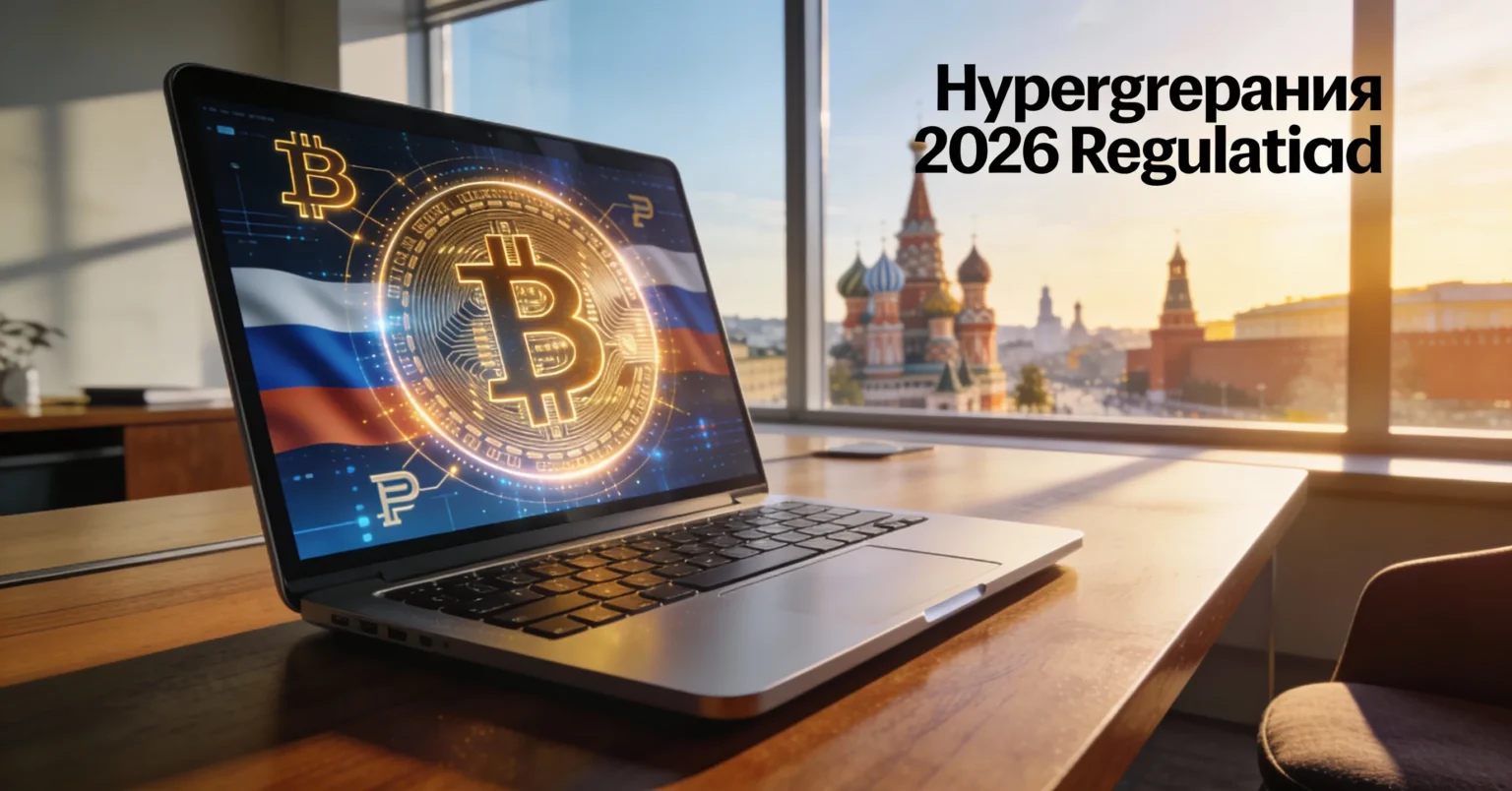
Russia’s central bank submitted this conceptual framework to the government, aiming to unify scattered rules into one national system by 2026. Crypto and stablecoins gain official status as “currency values”—think tradable investments, not everyday money.
Payments stay off-limits, though. You can’t use crypto to buy coffee or cars inside Russia. The goal? Heavy supervision, capital controls, and curbing retail risks, without morphing Russia into a crypto free-for-all.
This isn’t about hype; it’s about control. Businesses get legitimacy, but only if they play by the bank’s book.
Investor Access: Two Tiers, Clear Rules
The plan splits investors into non-qualified (retail) and qualified (pros), making access straightforward yet restricted.
For Retail Investors
- Stick to the most liquid cryptocurrencies—think Bitcoin and top stablecoins, defined by upcoming rules.
- Pass a mandatory risk-knowledge test first; no quiz, no trades.
- Cap your buys at 300,000 rubles per year to limit exposure.
Example: A typical saver eyeing BTC might quiz on volatility basics, then snag a small slice annually—safe, but no moonshot bets.
For Qualified Investors
- Grab nearly any asset, except anonymous tokens that hide data via smart contracts.
- No volume caps, but risk testing still applies.
The bank flags crypto as high-risk due to wild swings, no government backing, and sanctions exposure. Retail gets gates; pros get leeway.
Pro Tip: Brush up on crypto basics now. Free online quizzes from regulators could mirror the real test—practice keeps you ahead.
Platforms Face New Compliance Hurdles
Crypto plugs into Russia’s existing financial system, ditching siloed chaos. Licensed exchanges, brokers, and trust managers keep their creds but add crypto rules.
- Crypto depositaries and exchangers get stricter custody, reporting, and AML checks.
- Unlicensed players? By 2027, penalties match illegal banking.
Cross-border gets a green light with strings:
- Buy on foreign platforms via overseas accounts.
- Transfer old holdings abroad through Russian middlemen.
- Report everything to tax authorities for full traceability.
Practical Step: If you run a platform, audit your KYC now. Integrate tax reporting APIs early to avoid 2027 headaches.
Rollout Timeline: No Sudden Surprises
Russia phases this in smartly, avoiding market panic.
- By July 1, 2026: Lock in the legislative base and unified rules.
- From July 1, 2027: Slam unlicensed ops with banking-level fines.
- 2026-2027 Gap: Transition time—license up, disclose, comply.
This window lets you shift from gray-zone risks to legit operations without a crunch.
Russia vs. EU and US: A Quick Comparison
Russia carves a middle path—structured like the EU, less patchwork than the US.
| Aspect | Russia | EU (MiCA) | US |
|---|---|---|---|
| Legal Status | Investment asset, no payments | Regulated market, harmonized | Federal/state mix, no unified law |
| Retail Access | Tested, capped at 300K RUB | Disclosures, protections | Broad, no caps, enforcement-heavy |
| Platforms | Existing licenses + add-ons | CASP licensing required | Multi-agency oversight |
Russia prioritizes oversight over openness, embedding crypto in its finance machine for tax and control wins.
Impacts on Traders, Businesses, and You
Clearer rules mean opportunities, but trade-offs.
- Retail Traders: Legal buys of blue-chip coins, but tests and caps crimp freedom. Track taxes religiously—privacy coins fade from view.
- Pros and Institutions: Scale via regulated brokers; no hard limits, just compliance.
- Platforms: Legal path opens, but expect KYC/AML integration and system ties.
Real-world angle: A Moscow trader today dodges shadows; post-2026, they use a licensed app with quizzes, reporting built-in. Businesses eyeing Russia? Compliance now unlocks steady, monitored volume.
Bottom line: Russia harvests crypto’s upsides—revenue, liquidity—while slamming doors on anonymity.
Conclusion
Russia’s 2026 crypto rules upgrade from wildcard to watched asset, channeling trades through licensed gates with retail safeguards. Expect tests, caps, and reporting, but gain legitimacy for pros and platforms. It’s control over chaos, positioning Russia as a regulated player amid global shifts.
Key takeaways:
- Retail: Test up, cap at 300,000 RUB, stick to liquids.
- Platforms: License fast, integrate deeply.
- All: Report cross-border moves.
Map your Russia exposure today—don’t wait for enforcement.
FAQ’s
Is crypto legal in Russia now?
Yes, as currency values for investment. Trading and stablecoins get the nod, but payments stay banned.
What’s the retail crypto buy limit?
300,000 rubles yearly for non-qualified investors, only top liquid coins after a risk test.
Can you use foreign exchanges?
Yes, with overseas accounts or Russian transfers—just report to tax authorities.
Are privacy coins banned?
Not outright, but anonymous tokens hiding data are off-limits for qualified investors too.
When do rules fully hit?
Legislation by July 1, 2026; penalties from July 1, 2027.
How does this affect businesses?
Licensed ops thrive with add-on rules; unlicensed face banking fines by 2027.
Ready to navigate Russia’s crypto shift? Subscribe for regulation updates, grab our free compliance checklist, and position your portfolio or platform ahead of 2026. Your edge starts now.