


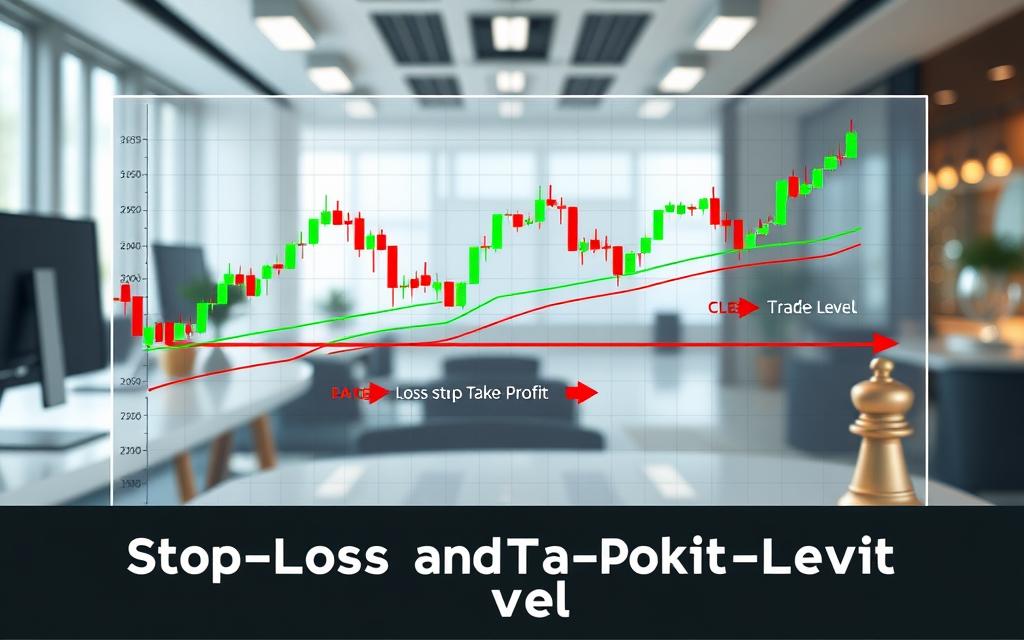
Most new traders don’t realize this, but almost 70% of small investors lose more money than they planned—not because the market fooled them, but because they entered trades without a clear exit plan.
This is where stop-loss and take-profit levels make all the difference.
This guide walks you through the basics of these two powerful tools and shows how they turn your trading intentions into automatic actions. Whether you’re aiming to protect capital, secure profits, or simply avoid emotional decision-making, having predefined exit levels makes your trading far more structured and disciplined.
Why Stop-Loss and Take-Profit Matter
Stop-loss and take-profit orders are like your trading safety system. Once you set them, your broker automatically executes the trade when the market touches those levels—no need to stare at charts all day.
They help you:
- Reduce emotional trading
- Stick to your strategy
- Avoid big unexpected losses
- Lock in profits before the market reverses
- Trade with more confidence and less stress
Of course, markets are not always smooth. In fast-moving conditions, price gaps, slippage, or volatility may cause your order to fill at the next available price instead of the exact level you chose. But even with these limitations, using planned exits is much safer than trading blindly.
A Simple Real-World Example
Imagine you take a trade where:
- Your profit target is +20%
- Your maximum risk is -5%
This gives you a 4:1 risk-to-reward ratio, which is considered strong because even a few winning trades can outweigh multiple small losses. This approach helps your capital grow steadily without relying on luck or constant monitoring.
How to Choose Your Stop-Loss and Take-Profit Levels
You don’t need to overcomplicate it. Start with these simple methods:
- Price Zones:
Set stop-loss below support and take-profit near resistance. - Moving Averages:
Use popular levels like the 20-day or 50-day average for guidance. - Percentage Buffers:
A fixed % such as 5% downside risk or 20% upside target works well for beginners. - Chart Analysis:
Look for recent highs/lows, trendlines, and candlestick patterns before placing levels. - Position Sizing:
Calculate your investment amount so that a stop-loss hit doesn’t hurt your portfolio.
Avoid These Common Mistakes
- Forgetting to confirm the order on your broker’s platform
- Placing levels too close to the current price
- Moving stop-loss further away to “give the trade more time”
- Setting unrealistic profit targets
- Ignoring slippage in high-volatility markets
Make It a Habit
Creating an exit plan should be as natural as entering a trade.
A simple workflow is all you need:
- Decide your risk
- Choose your position size
- Set your stop-loss
- Set your take-profit
- Confirm the order
- Let automation handle the rest
Over time, this routine becomes part of your trading discipline—and a powerful step toward long-term success.
Why Stop-Loss and Take-Profit Orders Matter for Risk Management
Successful trading isn’t just about finding the right entry—it’s about having a clear exit strategy. Stop-loss and take-profit orders help you turn guesswork into a repeatable system. When you define your limits before entering a trade, you naturally reduce emotional decisions and stay disciplined, even during sharp market moves.
Protecting Capital and Locking In Gains
In fast-moving markets, prices can shift quickly and unpredictably. Using stop-loss and take-profit orders together helps you:
- Protect your capital from large, unexpected losses
- Lock in profits automatically when your target is reached
- Avoid impulsive reactions during volatility
This combination acts like a safety net, ensuring that sudden spikes or dips don’t push you into rushed or emotional decisions.
Balancing Your Risk–Reward Ratio Before Entering Any Trade
Before you place a trade, build a clear risk–reward profile. Compare your potential upside with the maximum downside you’re willing to tolerate. Then choose a position size that fits your overall plan.
- Short-term traders save valuable time through automated exits.
- Long-term investors can set wider stop-loss levels to manage bigger market swings.
This approach keeps your strategy consistent across different instruments and conditions.
Most Read:- Discover the 5 Best Crypto Exchanges for Trading
Execution Reality: Always Confirm Your Fills
In real markets, execution is not always perfect.
Always confirm your order fill with your broker because:
- Slippage can shift your exit to the next available price
- Fees and charges affect overall results
- Liquidity may influence how fast (and at what price) your order is filled
A simple verification step helps you avoid surprises.
Consistency Builds Confidence
Trading becomes easier and more effective when you follow a systematic process. Commit to a consistent framework—planning your risk, setting your exits, and confirming fills—and you’ll trade with less emotion and stronger long-term control.
Use Case Summary
| Use Case | Benefit | Key Consideration |
|---|---|---|
| Short-term traders | Executes planned exits even when you’re away | Be cautious of slippage during high-volatility periods |
| Long-term investors | Reduces the need for constant monitoring | May require wider buffers to avoid market noise |
| All users | Improves discipline and decision-making | Always verify fills and include fees in calculations |
Stop-Loss vs Take-Profit: What These Orders Really Do
Smart traders don’t just plan how to enter a trade—they plan how to exit it. Stop-loss and take-profit orders give you a simple, mechanical way to protect capital and secure gains without constantly watching the screen. Below is a clear explanation of how each order works, followed by a practical example to help you visualize them in action.
How a Stop-Loss Works: Speed Over Price Certainty
A stop-loss order is like a safety switch.
You set a specific price—called the stop price. When the market touches that level, your stop-loss instantly turns into a market order.
This means:
- The broker closes your position at the next available market price
- The actual execution may be slightly different from your stop level
- In fast or volatile markets, slippage and price gaps are possible
In simple terms, a stop-loss prioritizes speed, ensuring your downside doesn’t grow out of control.
How a Take-Profit Works: Price Certainty Over Speed
A take-profit order is a limit order set at your ideal exit price.
It aims to:
- Close your trade only when the market reaches your exact target
- Lock in profits at your preferred level
- Keep the order pending if the market never hits that price
Unlike stops, take-profit orders focus on price precision, even if it means waiting longer or not getting filled at all.
Why Using Both Orders Together Makes Sense
When you combine a stop-loss with a take-profit:
- Your risk is capped automatically
- Your profit is secured the moment your price target is reached
- You get a clear, structured exit plan
- You remove emotional decisions during market swings
In short:
Stops prioritize protection, limits prioritize profit. Together, they bring balance and discipline.
Quick Example for Clarity
Let’s say you buy an asset and set:
- Stop-loss: 5% below your entry
- Take-profit: 20% above your entry
Before you even place the trade, you already know:
- Your maximum loss
- Your potential reward
- Whether the trade is worth taking
This simple framework keeps your losses small and your winners meaningful.
Order Breakdown at a Glance
| Order Type | Action | When It Fills |
|---|---|---|
| Stop | Converts into a market order | At the next available market price once the stop is triggered |
| Limit (Take-Profit) | Closes at a set price | Only if the market reaches your predetermined price |
| Combined Use | Caps loss + captures profit | Creates a clear “reward vs risk” roadmap |
“Define exit rules before you enter; that discipline is what keeps small losses small and winners meaningful.”
How to Set Stop-Loss and Take-Profit Orders (A Simple, Practical Guide)
To trade with confidence, you need a clear exit plan—not guesses. This step-by-step guide shows you how to set stop-loss and take-profit orders in a simple, repeatable way that works across Indian trading platforms. Follow this flow and you’ll avoid second-guessing yourself during fast market moves.
1. Define Your Risk and Choose the Right Position Size
Begin with basic research:
- Identify a trade idea
- Check recent volatility
- Decide your maximum risk per trade (example: 1% of total capital)
Once you know how much you’re willing to lose, convert that number into a position size:
Position Size = Allowed Loss ÷ (Entry Price – Stop-Loss Price)
This ensures every trade fits your overall risk plan, instead of risking too much on a single idea.
2. Select Entry, Stop-Loss, and Target Using Technical Analysis
Mark your intended entry price.
Then use simple chart tools to set your levels:
- Support zones → logical stop-loss areas
- Resistance zones → realistic take-profit targets
- Moving averages → additional confirmation on trend direction
Remember:
Stop-loss orders can sometimes fill at the next available market price, especially during gaps or heavy volatility. Also note that not every order type is supported for every instrument on Indian exchanges.
3. Place Your Orders and Confirm Execution
When entering your trade:
- Check the exact symbol, quantity, and price levels
- Use a stop-loss order to define your worst-case scenario
- Use a take-profit order to secure gains automatically
After your order fills, always confirm:
- Broker app notifications
- Confirmation messages/SMS
- Order book screenshots
This small habit prevents confusion, especially in volatile markets.
A Simple Trading Mantra
“Calculate your size, place your orders, confirm the fills — then let the plan run unless your thesis changes.”
Following this keeps your mind clear and your trading consistent.
Quick Step-by-Step Reference
| Step | Quick Check |
|---|---|
| Research | Trade idea, volatility, max risk |
| Levels | Entry, stop-loss, target |
| Execution | Order inputs + confirm fill |
Core Techniques to Choose Exit Levels That Match Your Trading Strategy
Choosing the right stop-loss and take-profit levels is one of the most reliable ways to stay consistent in trading. When your exit points align with your strategy, every trade becomes more accountable, repeatable, and easier to evaluate. Here are simple, proven techniques that you can apply across different assets and risk budgets.
1. Percentage Method: Fast, Simple, and Consistent
The percentage method is ideal for traders who want clarity and structure.
You simply choose a fixed percentage away from your entry price for both:
- Stop-loss: for example, 6%–10% below entry
- Take-profit: around 15%–20% above entry
This approach keeps your risk predictable and helps you size your positions consistently, especially if you’re managing multiple trades at once.
2. Support and Resistance: Use Market Structure to Your Advantage
Support and resistance levels reflect real reactions from buyers and sellers.
Here’s how to use them effectively:
- Place your stop-loss slightly beyond a key support or resistance zone. This prevents normal price noise from knocking you out too early.
- Set your target near areas where price previously reacted, showing where momentum may slow down or reverse.
This method works for traders who prefer chart-based decisions without overcomplicating things.
3. Moving Averages and Multi-Day Highs/Lows
Moving averages like the 50-day and 200-day are popular because they represent long-term market behavior.
You can use them to:
- Place a stop-loss just below the moving average during uptrends
- Set stops below a recent two-day low (for long trades) or above a recent high (for short trades)
These techniques give momentum room to develop while still controlling your downside.
4. Match Your Technique to Your Risk and Goals
Your exit method should always fit within your risk limit.
Start by deciding how many rupees you can afford to lose on a trade, then choose a technique that keeps the potential loss inside that boundary.
Additional tools can help refine your levels:
- ATR (Average True Range): for volatile assets that need wider stops
- RSI filters: to avoid setting targets during overextended conditions
- Structure-based stops: perfect for trending markets where regular pullbacks occur
Treat each of these methods as part of your trading playbook. Tracking what works—and in which market conditions—helps you refine and improve your strategy over time.
A Practical Example to Remember
“If an asset sits above the 50-day moving average and holds near support, placing a stop just below that confluence with a target near the last swing high keeps your reward aligned with your risk.”
This kind of structured thinking turns random trades into disciplined decisions.
Optimizing Risk–Reward: Turning Your Plan Into Practical Execution
Smart risk management doesn’t need to be complicated. It starts with one clear rule:
aim for a reward at least twice the amount you’re willing to risk.
This simple principle gives your trades room to develop while keeping your downside controlled—and it helps your profits compound even with an average win rate.
Set a Minimum 2:1 Reward-to-Risk Ratio
Begin every trade setup by measuring the distance between your entry price and your stop-loss.
This distance is your measured risk.
Once you know the potential loss, set your take-profit at least two times that distance to create a clean 2:1 profile.
Example:
- Entry: ₹500
- Stop-loss: ₹250
- Take-profit: ₹1,000
In this structure, your risk is ₹250 and your reward is ₹500 or more—giving you a strong edge even when your win rate stays average.
If the chart doesn’t offer a logical target that provides 2:1, it’s usually better to skip the trade and wait for a cleaner opportunity.
Let Orders Execute the Plan Automatically
Once your levels are clear:
- Place the stop-loss to limit downside
- Place the take-profit to secure gains
- Confirm the order fills so execution aligns with your plan
This removes guesswork, reduces emotional decisions, and ensures consistency.
Adjust Targets When Momentum Weakens
Markets don’t always move in a straight line.
If price starts struggling near resistance, or if momentum indicators cool down, consider:
- Moving your target closer to lock in profit
- Scaling out part of your position to protect gains while still staying in the trade
This helps you act proactively instead of waiting for a reversal.
A Simple Trading Cycle to Follow
“Pick your levels, place the order, review your fills — then repeat, learn, and refine.”
Mastering this loop turns a basic plan into a powerful long-term strategy.
Quick Reference Table
| Step | Action | Why It Matters |
|---|---|---|
| Measure | Calculate distance from entry to stop-loss | Defines your maximum loss |
| Choose | Set a target ≥ 2× your risk | Strengthens your statistical edge |
| Review | Check order fills, slippage, and execution | Improves future trade management |
Advanced Order Types and Smart Adjustments That Help You Stay Disciplined
Successful trading isn’t only about finding entries—it’s about managing the position with discipline as the market evolves. A few advanced order types can help automate your decisions, protect profits, and keep emotions out of the process. These tools work especially well when used with clear rules and a repeatable playbook.
1. Trailing Stops: Let Profits Run While Protecting Gains
A trailing stop is one of the most practical tools for managing winning trades.
It moves only in the direction of profit and never shifts back when the price pulls down. This means your gains stay protected without the need for constant monitoring.
You can set a trailing stop using:
- Percentage trails, such as 5% or 8% behind market price
- Structure-based trails, placed below swing lows or support zones
For trend-following trades, start with a wider stop around key structure and tighten it as higher lows or new support zones form.
2. When to Move Your Stop to Breakeven
Once price clears a major level or hits your first target, consider moving your stop-loss to breakeven.
This turns the remaining portion of your position into a risk-free trade, allowing you to stay in trends without stress—especially during volatile hours or overnight sessions.
Scaling out at partial targets, such as selling 50% of your position at the first milestone, helps lock in gains and reduce emotional pressure.
3. Use the Right Order for the Right Purpose
Each order type supports a different part of your strategy:
- Stop orders for entries → automate breakout entries
- Stop-loss orders for exits → define your maximum risk
- Trailing stops → tighten risk as price moves in your favor
Some brokers even offer guaranteed stop-losses for a small fee, which can reduce slippage on highly volatile instruments.
4. Manage Volatility and Major Events with Adjustments
Market conditions change fast, so your order strategy should adapt:
- Before major news events, tighten your stops or reduce position size to cut overnight or gap risk.
- If volatility spikes, pause trailing stop adjustments or shift from percentage-based trails to structure-based levels for more stability.
These small adjustments can make a big difference in preserving capital.
A Rule Worth Remembering
“Tools enforce discipline only when you follow written rules — document your triggers, scale-out rules, and trailing stop method.”
Keeping a written playbook ensures you don’t improvise under pressure.
Quick Reference Table
| Feature | When Useful | Practical Note |
|---|---|---|
| Trailing Stop | Trend trades, medium-term holds | Follows price upward, never downward; choose % or structure trail |
| Stop Order (Entry) | Breakout trades | Keeps entry logic separate from exit risk |
| Stop-Loss Order (Exit) | Risk control | Some brokers offer guaranteed stops—check terms |
| Scaling Out | At predefined targets | Define percentages (e.g., 50%) to lock gains and reduce size |
Execution Reality: Slippage, Gaps, and Volatile Markets
Trading looks clean on charts, but execution in real markets is rarely perfect.
When prices move quickly, the level you planned and the level you actually receive can differ sharply. This becomes especially important with stop-loss orders: once a stop is triggered, it instantly becomes a market order, filling at the next available price—not necessarily the price you expected.
In thin volume, after-market hours, or during news events, that next available price can be far away.
Practical Tips for Handling Real-World Execution
1. Expect Slippage in Fast Markets
Slippage is normal during:
- Sharp price swings
- Major announcements
- Low-liquidity sessions
- Large order sizes
Bigger orders typically see bigger differences between intended and executed prices.
2. Use Trailing Stops Wisely in Choppy Conditions
A trailing stop moves only in your favor and never loosens.
This helps you:
- Protect gains
- Stay in the trade longer
- Avoid getting shaken out by small price noise
To reduce premature exits, place stops beyond obvious chart noise, especially in sideways markets.
3. Long-Term Investors May Choose Flexibility Over Strict Stops
Investors in fundamentally strong stocks sometimes avoid tight stops altogether.
Instead of exiting on short-term dips, they may:
- Hold through volatility
- Add positions during weakness
- Rely on long-term valuation rather than short-term charts
This approach works only for high-quality names and long horizons.
4. Check Your Platform’s Supported Order Types
Before placing any trade, confirm platform rules:
- Not all instruments allow every type of stop order
- Some brokers offer guaranteed stops for a fee
- Certain assets behave differently during pre-open or post-close sessions
Knowing these details helps you avoid surprises.
5. Rethink Limit Orders During Explosive Moves
Limit orders protect your price—but they can also cap your upside.
If a trend suddenly accelerates:
- You may want to cancel the take-profit limit
- Or replace it with a trailing stop to capture more upside
Decide based on momentum, not emotion.
6. Track Your Execution Data
Save your:
- Order confirmations
- Fill prices
- Timestamps
- Notes on slippage
Logging slippage by symbol and session helps you size trades with realistic expectations instead of perfect theoretical numbers.
A Key Reminder
“When a stop triggers, it becomes a market order — understand the consequences before placing it.”
This awareness alone can save you from unexpected losses.
Scenarios and What to Expect
| Scenario | Risk | Note |
|---|---|---|
| Volatile session | High slippage | Sudden moves create wide gaps |
| Thin liquidity | Large, uneven fills | Common in small assets or odd hours |
| Long-term holding | No strict exits | Decisions based on fundamentals, not charts |
Your Next Steps to Start Trading With Confidence
To trade with clarity and confidence, you need a routine that turns your research into precise, actionable exit levels. The process doesn’t have to be complicated — a simple, consistent workflow is enough to protect your capital and guide your decisions.
Begin by researching your chosen asset, noting your trading thesis, and defining the maximum rupee amount you’re willing to risk on the position. Once that foundation is set, follow the short checklist below before hitting “confirm.”
A Simple Checklist for Smarter, More Disciplined Trading
1. Map Your Entry, Stop-Loss, and Target
Use support, resistance, and basic technical analysis to mark:
- Your planned entry point
- A stop-loss level that protects you from unnecessary loss
- A limit price (take-profit) that aligns with market structure
Then convert these levels into exact orders in your broker’s platform.
2. Stick to a 2:1 Reward-to-Risk Framework
Aim for at least two units of potential reward for every one unit of risk.
If the chart doesn’t naturally offer a 2:1 setup, skip the trade — protecting capital is just as important as making gains.
3. Place Orders and Confirm Execution
After placing your stop-loss and take-profit orders:
- Verify fill prices on your broker’s app
- Save screenshots or notes
- Add the details to your trading journal
This habit helps you track execution quality and improve future decisions.
4. Use Trailing Adjustments Only When the Trend Moves in Your Favor
For trend-following trades:
- Add a trailing stop only after price moves your way
- Avoid tightening stops too early
- Let normal volatility play out without forcing premature exits
This helps you stay in trends longer while still protecting gains.
Start Small and Build Confidence
“Practice the checklist on a demo account, then go live with small size. Consistency builds confidence.”
With steady research, proper position sizing, and disciplined record-keeping, your trading process will evolve into a repeatable strategy — one that keeps risk small and lets profit work quietly in your favor.